58% of UK hair and beauty sector workers are self-employed. That figure - from the industry’s own data - isn’t a recent spike. It’s the direction of travel over the past decade, and it’s still moving. Chair rental, room rental, home salons, mobile work: the majority of the UK beauty workforce has moved away from traditional employment, and a large part of the reason why is structural.
80% of traditional salons fail in their first year. That’s not an argument against anyone trying salon ownership - it’s context for understanding why salon studio space for rent has become the rational alternative. The suite rental model separates the risk of physical premises from the skill and reputation of the individual professional. You bring the clients; you don’t carry the overhead of running a building.
The UK industry is worth £5.7bn across 51,821 businesses. The salon suite rental segment is growing at 7-10% annually. The market has made its decision about which direction makes sense.
Not all rented treatment rooms or salon spaces are the same product. When you’re evaluating options, the checklist matters.
Access hours. The best model - increasingly the market standard - is 24/7 access with a flat weekly fee. Your clients don’t always book 9-to-5, and your cleaning, setup, and prep time comes before and after. If access hours are restricted, understand the actual hours and whether they match how you work.
All-in pricing. Are utilities included? Water, electricity, heating - these are significant costs in a treatment environment and variable depending on use. All-inclusive flat-fee pricing removes the uncertainty and lets you model your margins accurately.
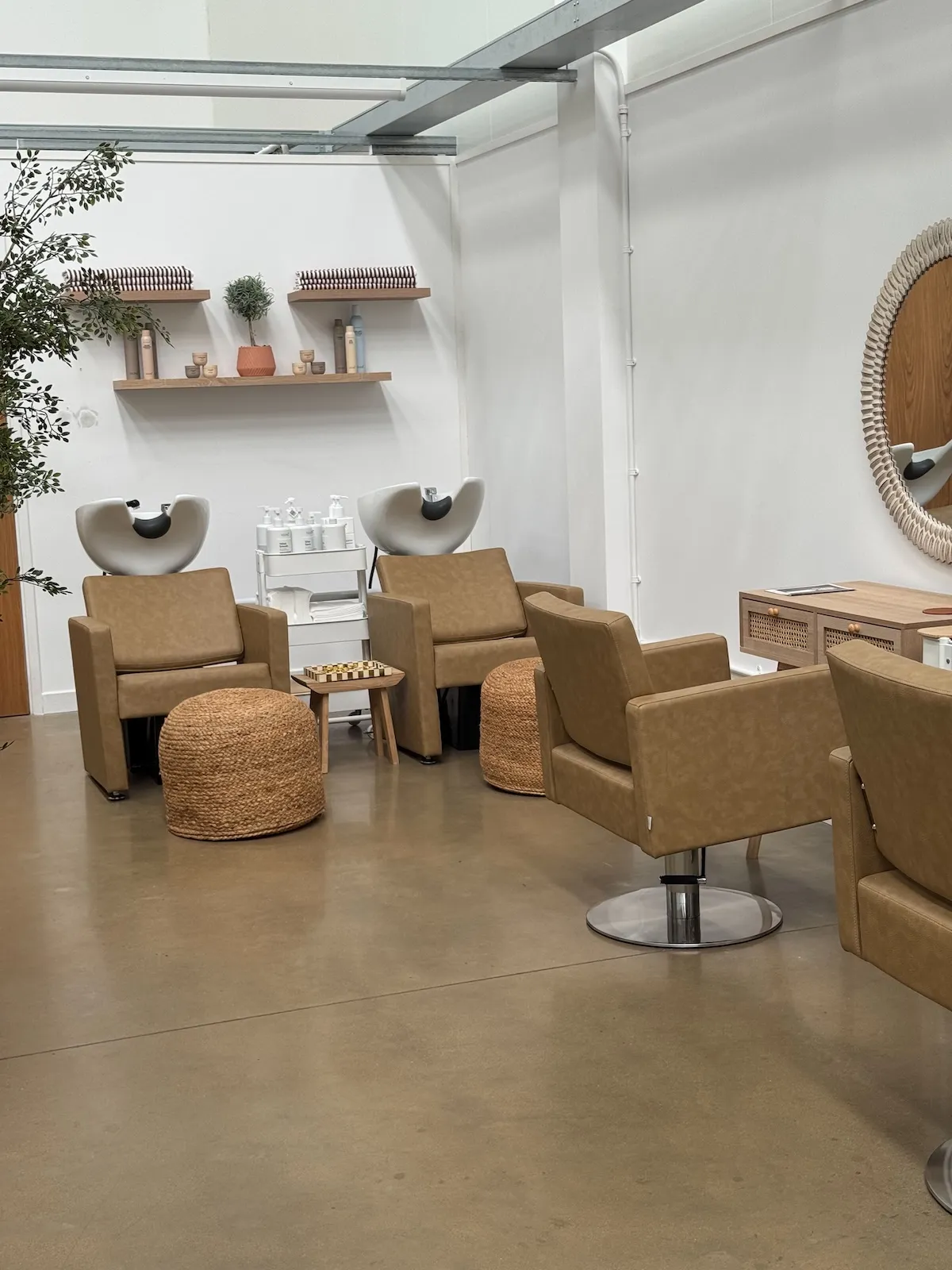
Equipment and infrastructure. What’s provided and what’s your responsibility? Salon chair or treatment couch, basin, professional lighting, adequate ventilation. Ask specifically. “Equipped” means different things in different spaces.
Parking. Your clients need to be able to reach you. For a beauty professional, convenience is a material part of the offering - especially for treatments that take two or three hours. A space that requires difficult parking will cost you appointments.
Soundproofing. Relevant if you’re doing treatments that require quiet, if the building has shared walls, or if ambient noise would affect the client experience.
Whether the address is client-presentable. The entrance, the shared areas, the general condition of the building. The quality of the space you rent is only part of the story; where it sits matters for first impressions.
Here are the actual ranges, based on UK market data for 2026:
Peterborough sits in the suburban/smaller town range for pricing purposes. Below £250/month in a secondary city, start asking what’s missing - the pricing floor usually reflects something about access hours, utilities not being included, or shared facilities that aren’t what you’d expect.
If a price is significantly below market, the question isn’t whether it’s a good deal. It’s what the trade-off is.
This is where the market is moving fastest, and it’s worth taking seriously as a decision factor.
Salon Studios UK in Edinburgh is currently full with a waitlist. That’s a supply shortage signal, but it’s also a quality signal - operators with a waitlist aren’t just offering four walls and a mirror. The model that’s winning includes: educational workshops, business support, peer networking alongside space, and flat-fee pricing that makes financial planning straightforward.
The “future-ready providers won’t just rent space - they’ll help build careers” framing is increasingly accurate. When you’re self-employed, you don’t have a manager handling CPD, a finance team doing your books, or a marketing department filling your calendar. The best studio environments acknowledge this and build some of that infrastructure in - sometimes formally, sometimes just through the community of other practitioners in the same building.
That community also has commercial value. Other therapists and stylists working alongside you in the same space are potential referrers. If you do hair and the person next door does nails, you share a client base. The best salon studios for rent produce that effect naturally; the worst ones are individual rooms in a building where nobody knows each other.
Before you commit to a contract, work through these:
These aren’t abstract concerns. Most disputes between self-employed professionals and studio providers come from assumptions on either side that were never written down.
This is worth a paragraph for anyone considering where, not just what, they rent.
Peterborough has 16 listed yoga, pilates, and mindfulness providers across the city. That’s an active wellness community - clients who are already investing in their physical and mental health, already comfortable spending money on their wellbeing, and already moving through spaces designed for that purpose.
A treatment room within a wellness-integrated environment naturally reaches a client profile that values and regularly uses health and beauty services. That’s not a small consideration if you’re thinking about where your client base comes from.